Tag: literacy

  • Tsay Keh Dene

    About the community

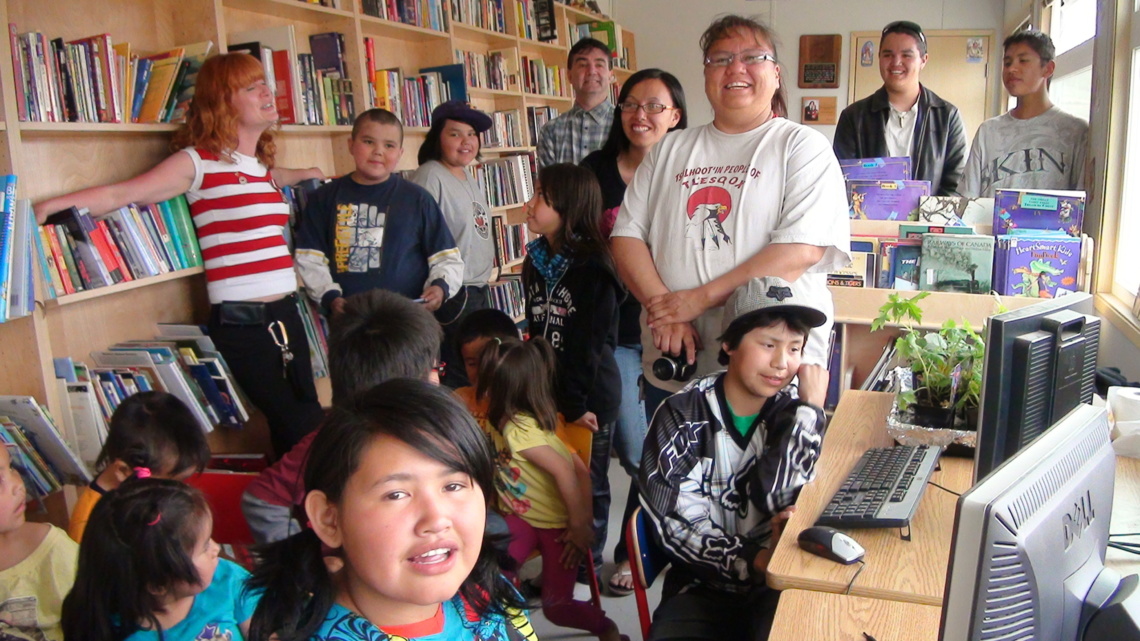
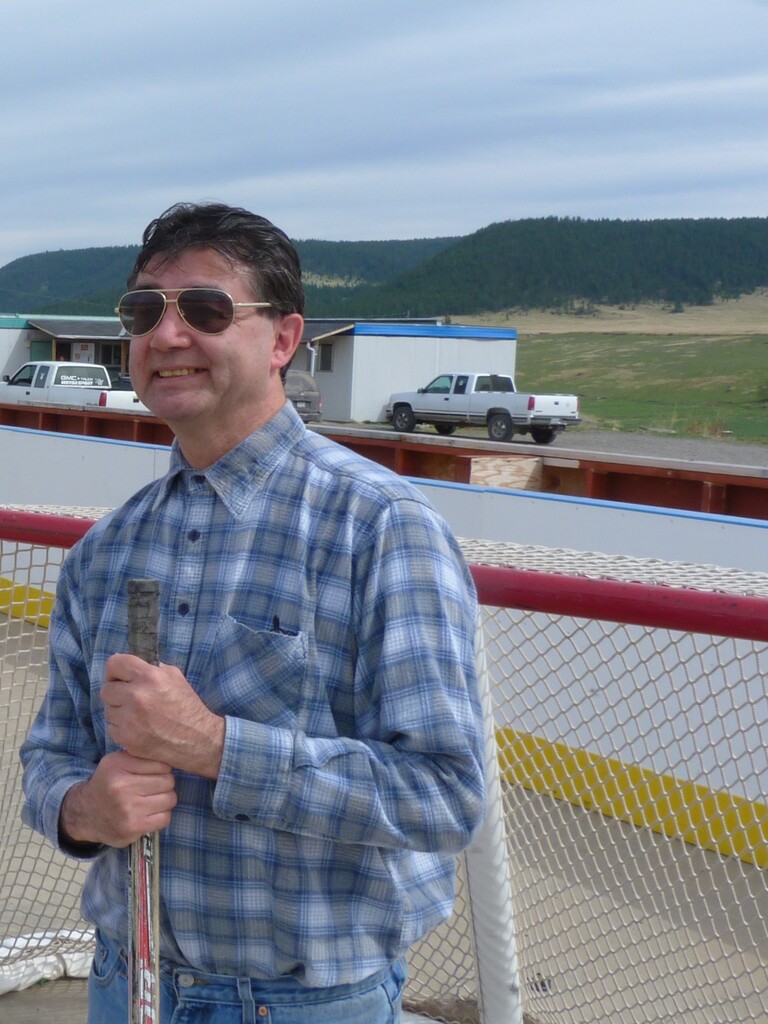
    The Tsay Keh Dene First Nation is a Sekani band in the Omineca region of northern BC’s interior. Its territories, settlements, and reserves are around Williston, about 550 kilometres north of Prince George.

    The people of Tsay Keh Dene hunted, trapped, fished, gathered food and herbs, and traditionally lived on this territory in the Rocky Mountain Trench. Tsay Keh Dene means People of the Mountain.

    The community is vibrant, created through hard work and commitment to its values, beliefs, and principles. This includes striving for sustainable growth and improving quality of life of its members. It does this through sound governance and responsible growth.

    About the library

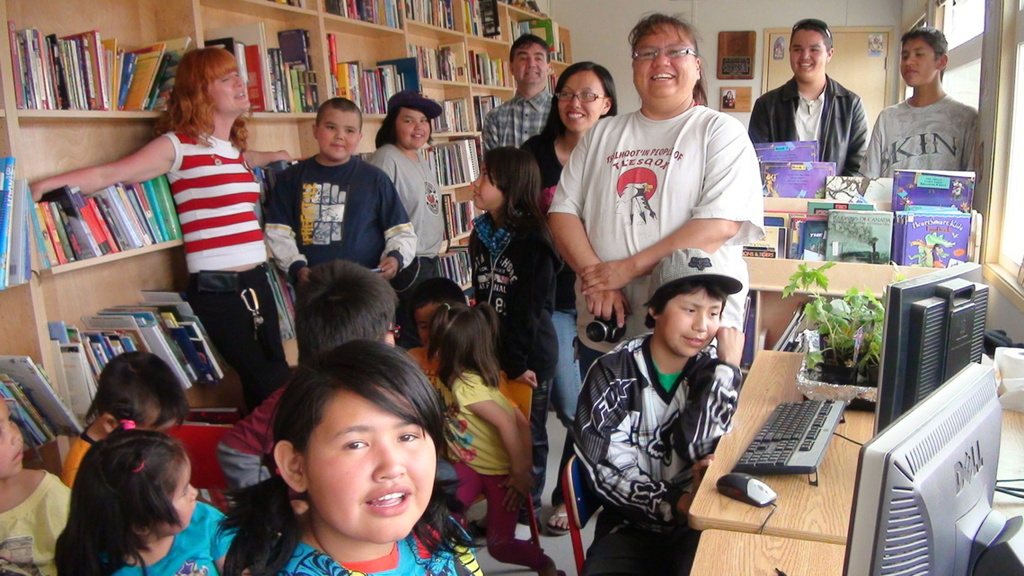
    In partnership with the community Write to Read BC installed its 13th library here. Its sponsors included Rotary Club of Prince George Yellowhead, and Britco (now Boxx Modular).
  • Metlakatla

    About the community

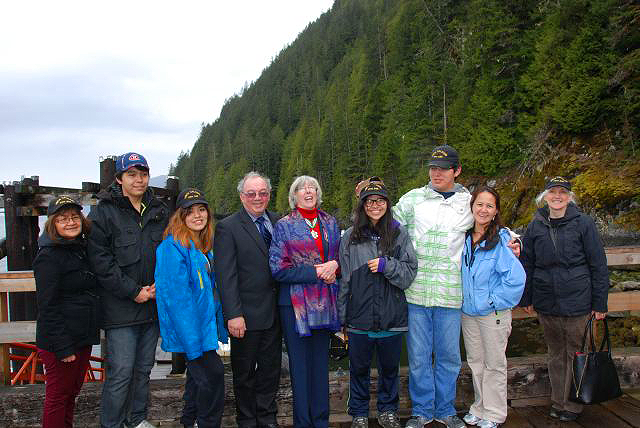
    Metlakatla is a small, west-coast village at Metlakatla Pass near Prince Rupert, BC.

    Metlakatla village is a progressive community, 5 km north of Prince Rupert on an ancient site. For thousands of years, the Metlakatla people have lived there. Metlakatla means saltwater pass in Sm’algyax, the language of the Coast Ts’msyen (Tsimshian) people.

    Metlakatla honour their history on the land. Its council oversees a number of services in the community to ensure members have the best quality of life possible, including access to healthcare, education, recreation, and social development.

    About the library

    This is the 10th library Write to Read BC installed, in partnership with the community. Its sponsors included Camera Buildings and Coquitlam Chrysler (Now Journey Chrysler Dodge Jeep Ram).

  • Ditidaht

    About the community

    The Ditidaht First Nation is a band government on southern Vancouver Island in British Columbia, Canada. The government has 17 reserve lands: Ahuk, Tsuquanah, Wyah, Clo-oose, Cheewat, Sarque, Carmanah, Iktuksasuk, Hobitan, Oyees, Doobah, Malachan, Opatseeah, Wokitsas, Chuchummisapo, and Saouk.

    Several of these lands are part of the newly established Pacific Rim National Park and can be reached on foot by the West Coast Trail. The land, waters, resources, and environment have always been the source of life, culture, and spirituality of the Ditidaht People.

    Ditidaht First Nation is governed by an elected Chief and councillors. Ditidaht Economic Development Corporation manages economic development the nation.

    About the library

    Write to Read BC installed its ninth library here, in partnership with the community. The Rotary Club of North Delta was a sponsor of this library.

  • Kwakiutl

    About the community

    The Kwakiutl, in Fort Rupert, are a First Nation community located next to Port Hardy.

    The Kwakiutl have lived on the north-eastern shores of Vancouver Island, since time immemorial. Their ancestors hunted and fished on these lands and waters, and developed a rich culture through which they celebrated the diversity of life around them. They continue to be strong by honouring all that our ancestors have taught them.

    The Kwakiutl are a part of the larger Kwakwaka’wakw cultural group, known for their distinct art, language, and ceremonies. Their ancestors were skilled fishers, hunters, and gatherers who lived in harmony with the natural world. Through potlatches, storytelling, and intricate carvings, they passed down knowledge, values, and traditions from generation to generation.

    The Kwakiutl Band operates a certified band operated school providing grades preschool to grade seven.

    About the library

    This is the eighth library installed by Write to Read BC. Its sponsors included Rotary Club of Burnaby Metrotown, Rotary Club of Port McNeill, Rotary Club of Port Hardy, Success By 6, and Britco Structures (now Boxx Modular).

  • Wuikinuxv Nation

    Oweekeno is located on the banks of the Wannock River at the entrance to Owikeno Lake east of Rivers Inlet, south of Bella Bella on the BC coastline. Oweekeno is home to the Wuikinuxv Nation, many who live off-reserve in other areas of the province. The Wuikinuxv have an affiliation with the Oweekeno-Kitasoo-Nuxalk Tribal Council in Bella Coola.

    Currently the reserve hosts a band administration office, a health centre, a Kindergarten to grade 7 school, a fire hall, an airstrip, and a newly constructed ceremonial Big House, used for cultural purposes. The community also has a multi-purpose flex court for healthy, recreational activities such as basketball, volleyball, ball hockey, and tennis.

    Oweekeno volunteers.
    A group photo before the grand opening of Wuikinuxv Nation’s Oweekeno library.

    About the library

    This is the sixth library Write to Read BC installed, in collaboration with the Wuikinuxv Nation. Its sponsors included Rotary Club of Lions Gate and Britco Structures (now Boxx Modular).

    This facility was a cooperative venture between the rural Wuikinuxv and partners from other communities, organized by Write to Read BC volunteers.

  • Yunesit’in government

    About the community

    Yunesit’in, previously Stone, is part of the Tsilhqot’in First Nation. It’s territory is about 110 km west of Williams Lake, in BC’s west-central interior Chilcotin region, along the south side of the Tsilhqox River. Its offices are located at the town of Hanceville, about 20 north of the Yunesit’in nation. The nation’s language is Chilcotin.

    Yunesit’in ancestral stories define the community’s spiritual relationship to the land and the animals; it explains how the land was shaped, and teaches the basis of Yunesit’in law. Yunesit’in have a special relationship with horses, which remain a foundation of their culture.

    Yunesit’in are a hardworking people who hunt and fish, and who value the land for its healthy food. The traditional knowledge of how to live from the land is passed, through families, to each generation.

    About the library

    This was the second library installed by Write to Read BC. Sponsors included Rotary Club of Williams Lake, Rotary Club of Sechelt, Rotary Club of Commerce City in Colorado USA, and Britco Structures (now Boxx Modular).

  • Halalt First Nation

    About the community

    Historically, the Halalt First Nation had villages on Willy Island (offshore from the town of Chemainus) and in the lower Chemainus Valley. Today, Halalt reserves are found on Willy Island and in the lower Chemainus Valley (although only the latter reserve is occupied).

    The Halalt originate from the village of Xeláltxw, which means ‘marked houses’ or ‘painted houses’, a reference to the fact that the house posts in this village were decorated. According to information collected by Rozen (1985), this village was once located in the Cowichan Valley, at the spot where the Silver Bridge currently crosses the Cowichan River, at the south-eastern edge of the city of Duncan. According to Cowichan oral history, the forefathers of both the Cowichan and Chemainus people (Siyóletse and St’éts’en, respectively) originated from this village.

    The residents of this village later relocated to a village at the north end of Willy Island, the largest of the Shoal Islands located just off the mouth of the Chemainus River, perhaps in the early part of the 19th Century. When they moved, they took the village name with them. Rozen (1985) reports that, historically, there were at least five or six houses in the village in Willy Island. Although the entire island was designated an Indian Reserve (Halalt Island No. 1), the village was abandoned in the 1920s and the residents moved to the Westholme reserve on the lower Chemainus River (Halalt No. 2).

    About the library

    This is the fourth library Write to Read BC installed, in partnership with the community. Sponsors included Rotary Club of Steveston, and Britco Structures (now Boxx Modular).

    Library opening at Halalt First Nation.
  • Assessing the impact of Write to Read BC

    An independent researcher is evaluating the long-term impacts and community perspectives of the Write to Read BC Project, at our request. Working closely with Indigenous leaders, educators, and community members, this research “will culminate in an assessment report that will guide the re-framing and Indigenization of the Write to Read BC Project.”

    The assessment is provided by a program at Simon Fraser University that helps SFU graduate students collaborate with non-profit groups and community groups. The program supports research projects that provide plain-language answers to community-driven research questions at low or no cost to the community partner.

    The Write to Read BC study will focus on

    Community collaboration and data collection

    The study will:

    • collaborate with Indigenous leaders, educators, and community members to gather perspectives on the impact of active and inactive learning centres.
    • conduct interviews, facilitate protocol-guided information-sharing sessions, and ensure respectful, ethical data collection.
    • assist in developing “case stories” from selected communities, ensuring informed consent and cultural sensitivity.
    • document and organize qualitative data to inform the final project report and analysis.

    Literature and media review

    The study will:

    • conduct a literature review focusing on the intersections of Indigenous knowledge systems and colonial education practices.
    • review and summarize “grey literature” and media related to the Write to Read BC project, including speeches, audio/video recordings, and planning documents.
    • gather and analyse quantitative data on educational outcomes (such as Kindergarten to Grade 12 graduation rates, post-secondary enrolment) in communities with Write to Read BC centres.
    • identify gaps in the literature or data and recommend additional resources to address these gaps.

    Data analysis and reporting

    The study will:

    • analyse qualitative and quantitative data to understand changes in community engagement, cultural connectedness, language revitalization, and educational impacts associated with Write to Read BC learning centres.
    • assist in preparing interim reports, summaries, and visual presentations to share findings with project stakeholders.
    • draft a final report, weaving Indigenous knowledge, community insights, and statistical data into a cohesive narrative.
    • assist in developing recommendations for future iterations of Write to Read BC and strategies to support its ongoing sustainability and alignment with Indigenous sovereignty.
    Research on the impact of Indigenous-led libraries installed together with Write to Read BC in isolated BC communities.
  • Tl’esqox (Toosey)

    Tl’esqox (Toosey)

    About the community

    The Tsilhqot’in National Government represents Tl’etinqox (Anaham), Tsi Deldel (Redstone), Yunesit’in Government (Stone), Xeni Gwet’in First Nation Government (Nemiah), Esdilagh (Alexandria), and Tl’esqox (Toosey).

    The Toosey First Nation (or Tl’esqox First Nation) is a Tsilhqot’in First Nation in the Fraser Canyon region of BC. It is 50 km west of Williams Lake. Its Indian Reserves include:

    • Baptiste Meadow Indian Reserve No 2, on Riske Creek, 5 km northwest of the Riske Creek post office, 2.6 km².
    • Toosey Indian Reserve No. 1, on Riske Creek, 6 km west of its mouth on the Fraser River. 23.4 km².
    • Toosey Indian Reserve No. 1A, west of Indian Reserve No. 1, about 0.1 km².
    • Toosey Indian Reserve No. 3, 5 km east of the mouth of Riske Creek, 0.5 km².
    Toosey chief Frances Laceese in 2014.
    Toosey Chief Frances Laceese in 2014

    The reserves are about 40 km south of Williams Lake. Many run and work on farms and cattle ranches, or work in trapping or logging. The band has a woodlot license.

    Elders provided information about Tŝilhqot’in land use, language, history, traditions, and laws, which played and will play an important role in legal decisions about Title for the Tŝilhqot’in Nation. This information helps protect important sites from logging and mining operations. It also has a purpose in education about Tŝilhqot’in culture, history, laws, and language.

    About the library

    This was the first library that Write to Read BC installed. Sponsors included Rotary Club of Williams Lake Daybreak, Rotary Club of Langley Central, and Britco Structures (now Boxx Modular).

    Opening of the library and learning centre at Tl'esqox.
    Community members in the library’s learning centre at the Tl’esqox library.
  • Saving education in Gitsegukla: video

    When Gitsegukla elementary school principal Louise Ormerod talks about her school’s journey from failure to success—not just for the Kindergarten to Grade 7 students, but also for adult learners in the community—Write to Read BC gets part of the credit.

    School risked getting shut down

    In 2018 the BC Ministry of Education assessed the school. It failed. The ministry said the school would be closed if it didn’t resolve the 21 violations ministry auditors found. The community also knew the school was poor. Some families left the community so their children could get an education. New teachers quickly left.

    But two years later, when auditors returned, they found a vast improvement. The school was “teaching to the curriculum” and meeting BC Ministry of Education standards. Auditors observed the school had found the resources every elementary school needs. Literacy rates increased 400%. Teachers stayed.

    Community commitment, a plan, and a library

    Ministry auditors told Ormerod that hers was the only audited school that did not have a single violation that year. Ormerod credits her staff and the community’s commitment to saving education in their community. She says Write to Read BC not only played a role, but made it easy, by being prpared and by knowing who to call to solve various problems. As for the library Write to Read BC installed, Ormerod says, “we had the best library and learning centre we could have ever asked for to support that learning.”

    The story on video

    In this 9½-minute video of an online talk, Ormerod tells the story of her school’s journey.

    School principal Louise Ormerod talks about improving literacy and numeracy at her school.

    Ormerod also gives advice to other schools who want to develop a library of their own:

    • Give the library a formal opening, with all the fanfare it deserves, to acknowledge the accomplishment. Gitsegukla school missed theirs because of Covid-19 restrictions.
    • Identify a champion who’s passionate about maintaining the facility once it’s launched.
    • Open the library after hours, so adult community members can use the library, and can attend online courses by using the library’s learning centre.
    • Get trained to manage a digital lending system.

    Ormerod credits the expertise and connections of Write to Read BC’s volunteers, and the fundraising efforts of the Rotary Club for helping to make success possible for Gitsegukla Elementary and the whole community.