
Impact stories tell of the success for Write to Read BC projects. To measure the impact of a project, we generally look at a library’s contribution to educational outcomes and cultural identity. For libraries, this means:
- Use of the library—learning and reading programs, sharing Indigenous language and culture, and meeting in the space.
- Access to computers and to online courses and conferences.
- Collaboration within and between isolated communities in BC.
- Related changes to the local economy and educational accomplishment.
Since one goal is improving literacy, the Write to Read BC libraries offer books, computers and furniture in support of learning programs. As well, libraries serve as gathering places that can be used to reinforce Indigenous cultural activities including language revitalization. Of course, they may also offer remote attendance to courses and conferences by Internet.
Impact stories about Write to Read BC partnerships
- Indigenous libraries: impact on confidence, wellness, digital equity — February 2, 2026
A Simon Fraser University researcher says Indigenous-led libraries, combined with community schools, have benefits beyond learning and literacy. A recent study of 20 Indigenous-led BC libraries listed many more benefits. These include social confidence, community inclusion, wholistic literacy, emotional wellness, digital equity, as well as generative learning. Let’s examine these findings more closely.
The findings …
- Libraries impact literacy, identity, decolonisation — January 6, 2026
For Indigenous communities, the benefits of community libraries range from literacy, to community development, to decolonisation. These are findings from a pre-publication copy of a study that assesses Write to Read BC partnerships with isolated communities.
The study assesses the effectiveness of indigenous-led libraries in isolated BC communities. Simon Fraser University’s Community-Engaged Research initiative (CERi) …
- Study: Libraries serve Indigenous children and adults alike — November 15, 2025
The preview of an upcoming study reports adults in isolated, Indigenous communities use libraries as much or more than children. The study is assessing at the long-term impact of Indigenous-led libraries installed in partnership with Write to Read BC.
This research was made possible with Simon Fraser University’s CERi funding. The study’s Indigenous researcher gathered …
- Value in isolated libraries: SFU study — October 21, 2025
Researcher and Simon Fraser University (SFU) graduate Jody Bauche recently spoke about 15 years of Write to Read BC projects. The projects are partnerships with Indigenous communities, to design and install the library they want. In a preview of the findings, Bauche said isolated indigenous communities across BC gain substantially. The gains she found show up in several …
- Assessing the impact of Write to Read BC — August 31, 2025
An independent researcher is evaluating the long-term impacts and community perspectives of the Write to Read BC Project, at its request. Working closely with Indigenous leaders, educators, and community members, this research “will culminate in an assessment report that will guide the re-framing and Indigenization of the Write to Read BC Project.”
The assessment is …
- Saving education in Gitsegukla: video — April 19, 2024
When Gitsegukla elementary school principal Louise Ormerod talks about her school’s journey from failure to success—not just for the Kindergarten to Grade 7 students, but also for adult learners in the community—Write to Read BC gets part of the credit.
School risked getting shut down
In 2018 the BC Ministry …
- Write to Read BC expands Indigenous networking — October 21, 2021
Several members of isolated BC communities attended a virtual conference about Indigenous communities. The conference, sponsored by Libraries, Archives and Museums Nova Scotia, included breakout sessions.
During the breakout sessions, members discussed their experience with Write to Read BC, and made new connections with people from Indigenous communities in other provinces.
Virtual …
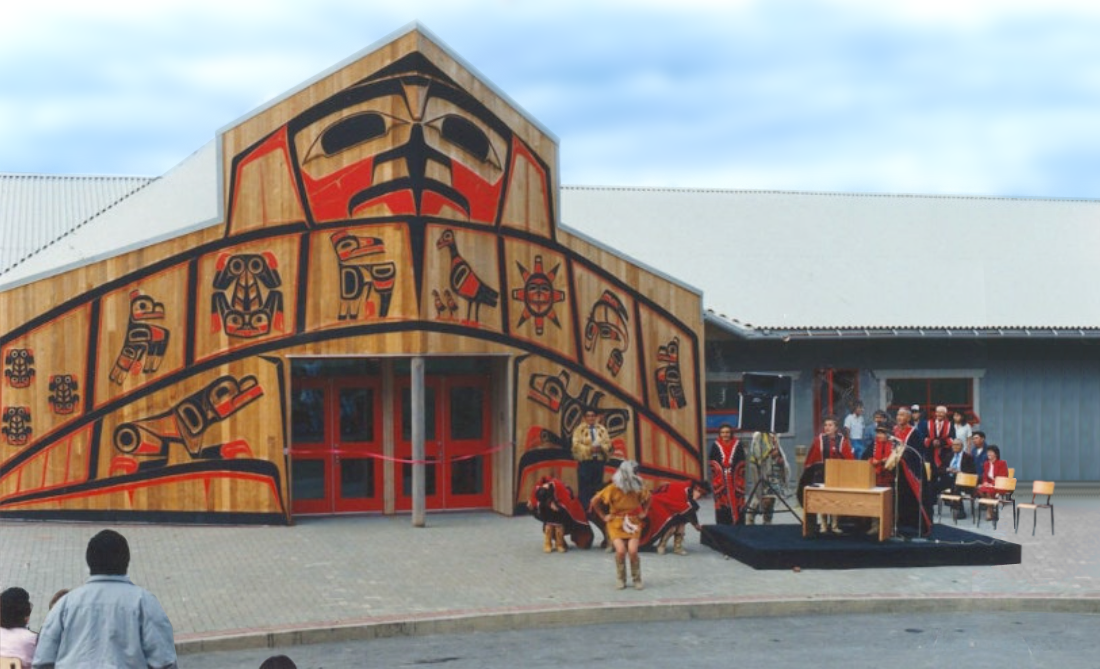
Working in partnership
Write to Read BC partners with remote BC communities, donors, and volunteers to design and install Indigenous-led libraries across BC.
Here’s the whole process.
- Envision. When you invite us to your community, we’ll begin a discussion to explore your needs and goals. We’ll send a design response team to meet and listen to your team. What challenges, opportunities, and priorities do you have? We’ll gather input and ensure everyone’s voice is heard. Together we’ll capture your vision.
- Design. Using insights from our discussion, we’ll ask the design response team’s architect to develop a library design that reflects your goals, community values, and cultural priorities. The design can use an existing structure or build a new space. Of course we’ll adjust the design and build consensus with you until the design captures what you want.
- Create. Once you’ve agreed on the design, our construction response team figures out the costs to create it. Then we arrange partners, such as Rotary Clubs across BC, to supply the materials and construction equipment. We also find volunteers. In either case, we engage your community to make sure you’re ready for visitors to work with you on the building we create together.
- Install. When the space is ready, our library response team installs the shelving, library furniture, books, and computer equipment. We work with the community members who will run the library to provide training, and support them in bringing your library to life. Then we leave the library in your capable hands.
Write to Read BC’s partners at Rotary Club are experienced fundraisers that understand the impact on literacy of their work. Please consider contributing. You can volunteer or donate cash and charitable gifts in kind.
Read more: